
Scroll to the Quick Read below.
For years, a normal part of living in Princeton meant leaving Princeton. You drove out for appointments. You drove out for certain services. You drove out because the city was growing faster than its daily life options were filling in. That pattern is still familiar. It is also starting to change.
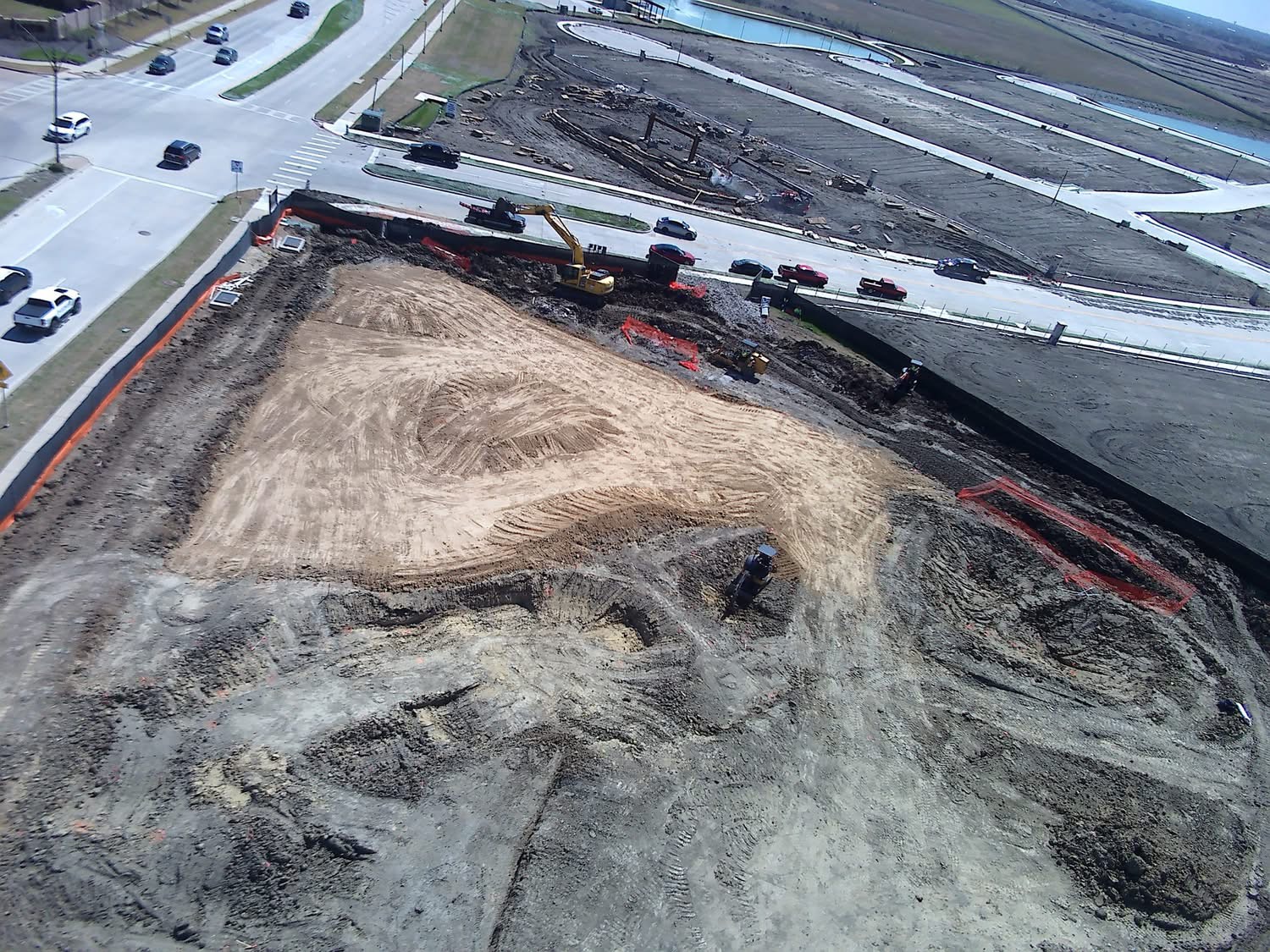
The change is visible in the city’s own numbers and business records. Princeton’s 2025 Strategic Report says the city issued more than 1,600 single family permits and over 200 commercial permits across the year. That same report lists a long group of new businesses that opened in 2025, including Princeton Kids Dentistry and Orthodontics, Kumon Math and Reading Center of Princeton, Chuon Chuon Coffee, Princeton Pediatrics, Children’s Lighthouse of Princeton, Velocity Physical Therapy, and Braum’s. Then in March 2026, the city announced and later broke ground on Princeton’s first medical office development, a roughly 25,000 square foot project across two buildings on 2.7 acres with 8 to 12 medical suites, with completion anticipated by the end of 2026.
Quick Read
- Princeton recorded more than 200 commercial permits in 2025, alongside more than 1,600 single family permits.
- The city’s 2025 Strategic Report lists new openings across healthcare, childcare, tutoring, food, repair, personal care, and service categories. (Heyzine)
- Princeton’s first medical office development is now underway in Princeton Professional Park and is expected to be completed by the end of 2026. (Princeton TX)
- The pattern is broader than simple retail growth. Princeton is adding more of the services that shape ordinary weekday life.
The dominant number here is 200. More than 200 commercial permits in one year is not just an abstract development statistic. In this case, it lines up with a visible shift in what residents can increasingly do inside the city rather than outside it. And the list of businesses matters because it is not built around one category. It includes pediatric care, dentistry, tutoring, physical therapy, childcare, food, coffee, spa and salon services, pest control, gadget repair, and other practical uses. That is the shape of a city becoming more self contained.
The medical office project strengthens that pattern because it adds a missing layer. The city is not only adding storefronts. It is adding professional healthcare space. According to the city, the development is designed to attract independent physicians, physician groups, and related ancillary services. It is being framed as the community’s first medical office development and is expected to deliver by the end of 2026. That pushes Princeton further away from the model of a place where homes arrived first and essential services had to catch up later. (Princeton TX)
The convergence is what makes the story stronger than a standard business roundup. The permit volume, the business categories, and the first medical office project all point to the same conclusion. Princeton is becoming more usable during ordinary life. Not only for eating out. Not only for buying something quickly. For appointments, children, recovery, learning, and routine errands. Those are the categories that determine whether a city functions as a place people return to mainly at night or a place people can move through more fully during the day.
That has real consequences. It affects traffic patterns. It affects family schedules. It affects how much time residents spend on the road for basic tasks. It affects whether parents can handle tutoring, childcare, and appointments with less planning and less travel. It also affects how local dollars circulate, because each added service creates another reason to stay in the city for one more stop instead of leaving after the first errand.
The larger system behind this is straightforward. Population growth creates demand. Commercial growth follows when investors and operators believe that demand is stable enough to support them. Princeton’s recent record shows both. The city added heavy residential permitting, then continued adding businesses that match the needs of a growing family centered community. The first medical office development suggests that the next phase is not only more storefronts, but deeper service capacity.
For residents, the practical takeaway is easy to understand. Pay attention to what kinds of businesses are arriving, not just how many. That tells you more about where Princeton is headed. A place with more coffee, childcare, tutoring, therapy, pediatrics, and medical office space functions differently from a place built mostly around rooftops and long drives.
The warning is measured. A city does not become truly self contained just because businesses open or permits are issued. The real test is whether these services keep expanding, remain viable, and reduce the need to leave town for basic life functions. Princeton has clearer signs of that shift now than it did a year ago. The next question is whether the pattern holds.