
Most people in Princeton haven’t been talking about this. It hasn’t become a major public debate at City Council meetings. It hasn’t lit up local Facebook groups. For years it has moved forward quietly while families went about their normal lives, Sunday church, school drop-offs, Friday night lights, and the everyday rhythms that made this area feel like home.
But the plans show something much larger is taking shape.
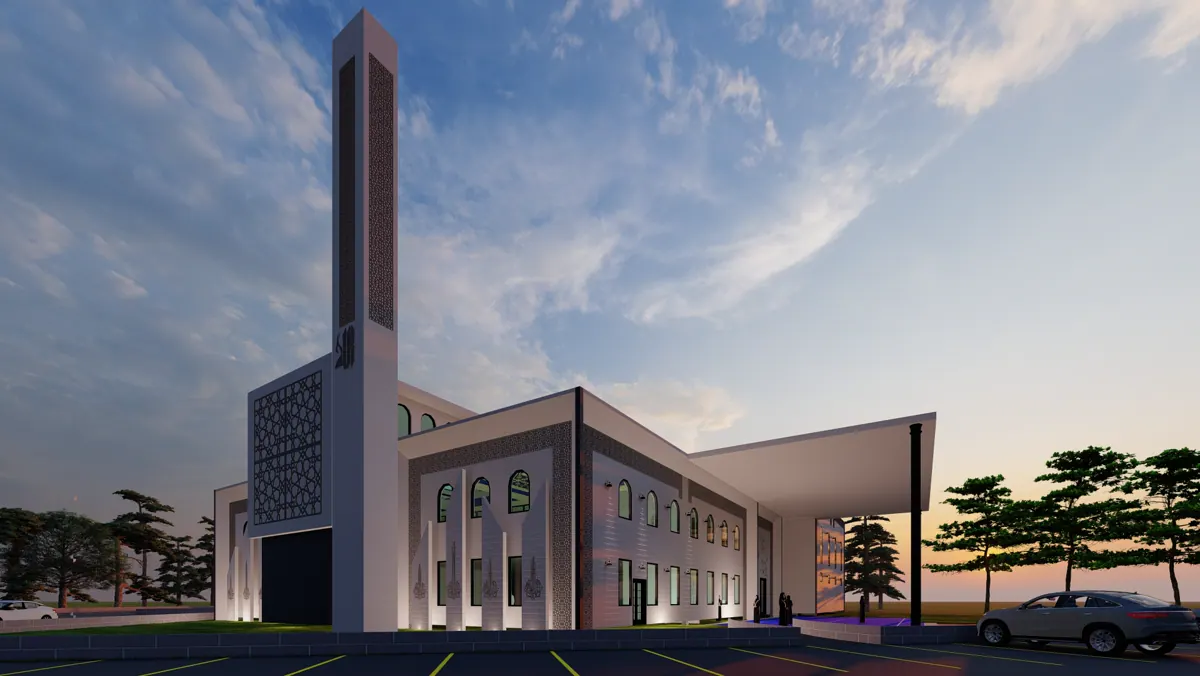
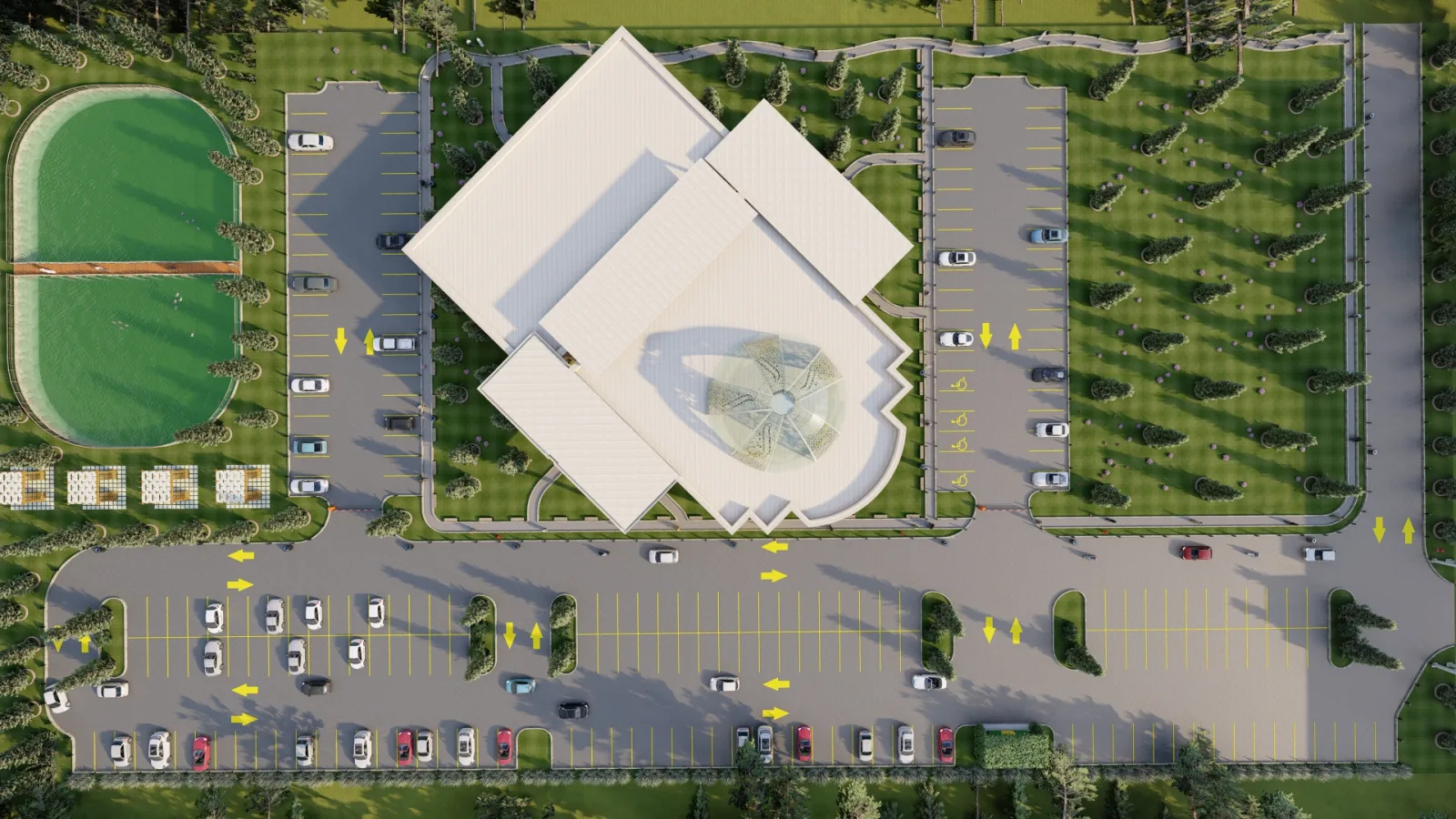
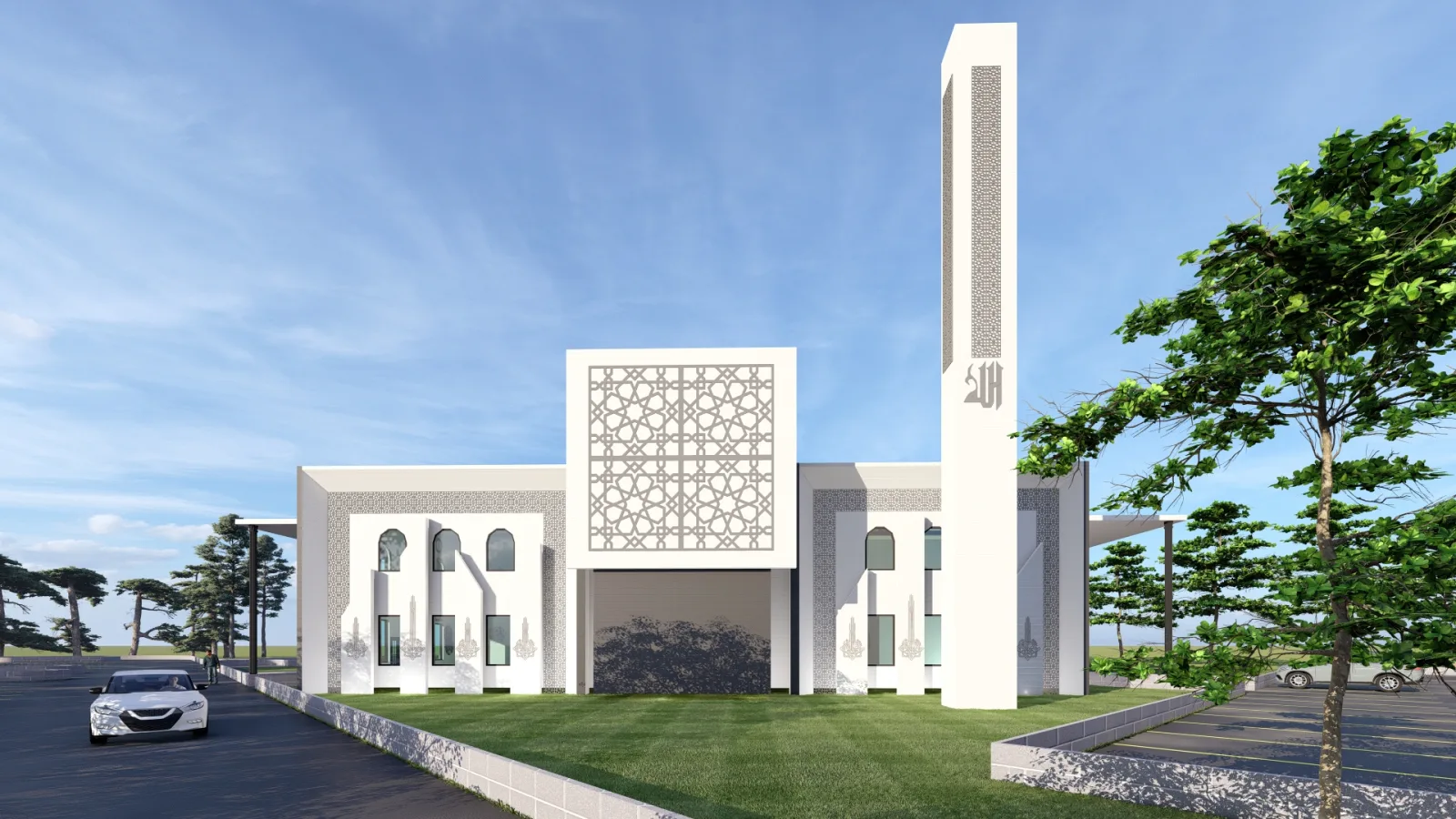
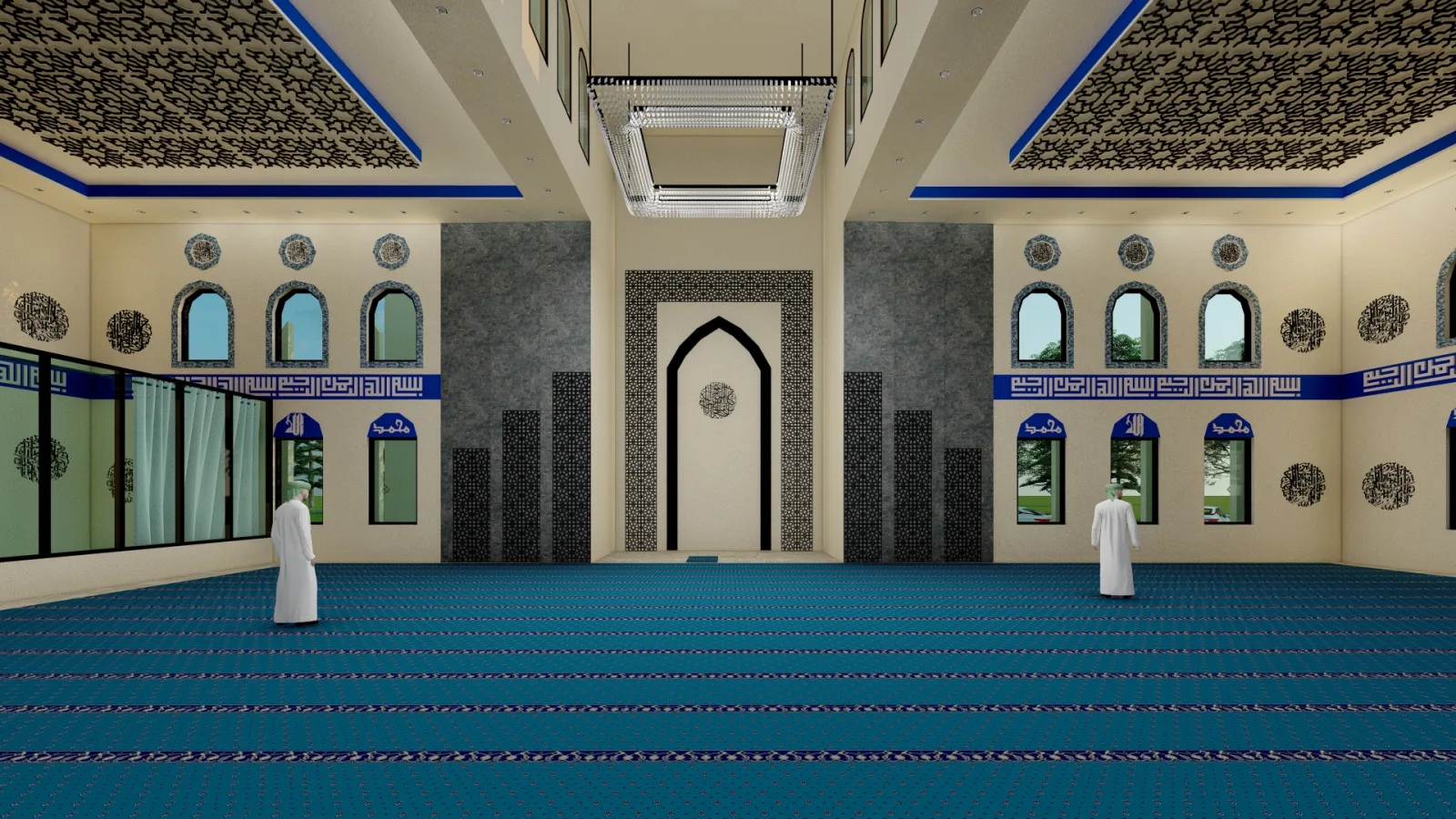
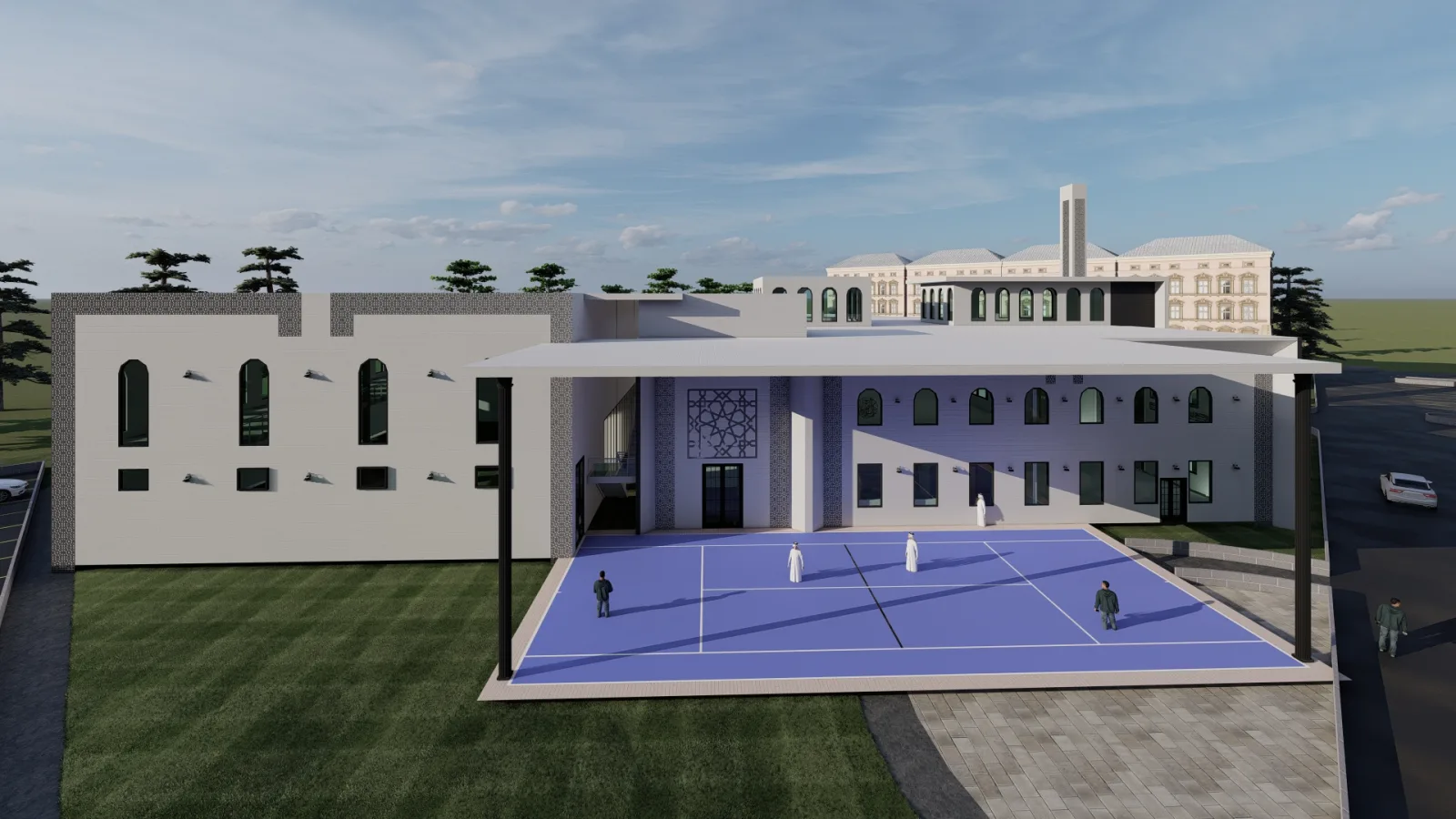
The Princeton Islamic Center is working toward a major new mosque at 943 County Road 456, right in Princeton’s growth area and extraterritorial jurisdiction. This isn’t a modest neighborhood prayer space. Their own campaign describes an 800-plus worshipper main prayer hall, six classrooms for Islamic education, youth areas, community gathering spaces, recreation facilities, overflow capacity, and extensive parking.
That single number, 800-plus, changes everything. It means large weekly crowds, especially on Fridays. It means big gatherings during Ramadan and Eid. It means a steady flow of activity that will reshape daily life in ways many longtime residents never expected.
Quick Read
- Princeton Islamic Center is working toward a major new mosque at 943 County Road 456, inside Princeton’s growth area and ETJ.
- PIC’s own campaign describes an 800-plus worshipper prayer hall, six classrooms, youth areas, community spaces, recreation facilities, overflow capacity, and extensive parking.
- Public records show the project has moved forward for years under varying names, making it easy for most residents to miss.
- More than $500,000 has already been raised, and the current lease situation is creating urgency for the center.
- A source familiar with the planning said PIC has kept the project low-profile because of public perception concerns.
- If completed, the facility would become a major regional Islamic institution for Princeton and surrounding communities.
- The biggest impact goes beyond traffic. It’s permanence: worship, education, youth programming, family activity, and community identity organized around one site.
A Project Kept Low-Profile
What stands out is how few people even know this is happening. The project has appeared under different names in public records, making it easy to miss. A source familiar with the planning confirmed the center has been aware of how the public might react and has intentionally kept things low-profile so the process could move more smoothly.
That detail matters to a lot of people. When something this significant is advanced largely out of sight, it leaves many residents with an uneasy feeling, like decisions about the future of their community are being made without them.
What Residents Will Notice First
The changes will hit in ways people feel immediately. More traffic stacking up on local roads during prayer times. Hundreds of cars coming and going. Larger groups gathering regularly. Different weekly rhythms. More regional activity moving through an area that once felt much quieter and more familiar.
Families who moved to Princeton for affordability, space, safety, and a more traditional way of life are already dealing with rapid growth. This adds another layer. It’s not just more houses and traffic. It’s the arrival of a major religious and cultural institution that will anchor a growing community with its own education, customs, holidays, and way of life.
The Cultural Shift Princeton Is Facing
For many families and longtime residents, this raises deeper questions. Princeton has always had a certain character, rooted in local churches, schools, youth sports, and small-town routines. People here want their children raised in a culture that feels familiar, stable, and connected to the community they chose.
A mosque and community center of this size does more than host prayers. It builds permanence. It creates a strong institutional base that teaches the next generation, organizes families, and attracts more people looking for exactly that environment. Once established, these centers tend to accelerate change. What feels new today can quickly become normal tomorrow across northeast Collin County.
That’s what worries many residents. They see their town changing faster than they can keep up. The rooftops came first. Then the crowded schools and strained roads. Now major cultural and religious institutions are arriving. Each one makes the shift harder to reverse. The Princeton of ten or twenty years from now could look and feel very different from the one families love today.
A Huge Mosque For The Whole Area
This project reaches beyond one neighborhood. The Islamic Center has said it’ll serve Princeton and surrounding communities. That means it becomes a regional landmark, a large, visible center for a growing faith community in northeast Collin County.
For those who already feel like the area’s familiar culture is changing too quickly, this feels significant. A place that has long felt defined by churches, schools, youth sports, and conservative small-town routines is now set to have a major mosque as one of its defining new institutions.
It signals what the future may hold: more regional institutions, more community life organized around distinct identities, and less of the shared local rhythm that once held places like Princeton together. Many residents quietly wonder whether anyone’s slowing down long enough to ask what kind of place Princeton is becoming.
Why This Feels Different
This isn’t just another building. Retail and subdivisions follow growth. Institutions like this shape it. They create roots. They influence schools, social life, holidays, and the overall identity of a place. When a project this large moves forward with limited public awareness, it leaves people asking what kind of town Princeton is becoming and whether the families who built it here still have a voice.
The project remains active. Fundraising has been underway. The current lease situation is creating urgency for them. While most residents are only now learning the full scale, the vision for this large new mosque has been in motion for years.
Princeton stands at a turning point. The public conversation hasn’t caught up to what’s being planned. For those who want to preserve the character, safety, and culture that drew them to this area, including the familiar neighborhoods, local traditions, and sense of belonging, now’s the time to pay attention.
Because once a mosque of this size is built and the community grows around it, the question stops being “Is this happening?”
It becomes “What have we become?”